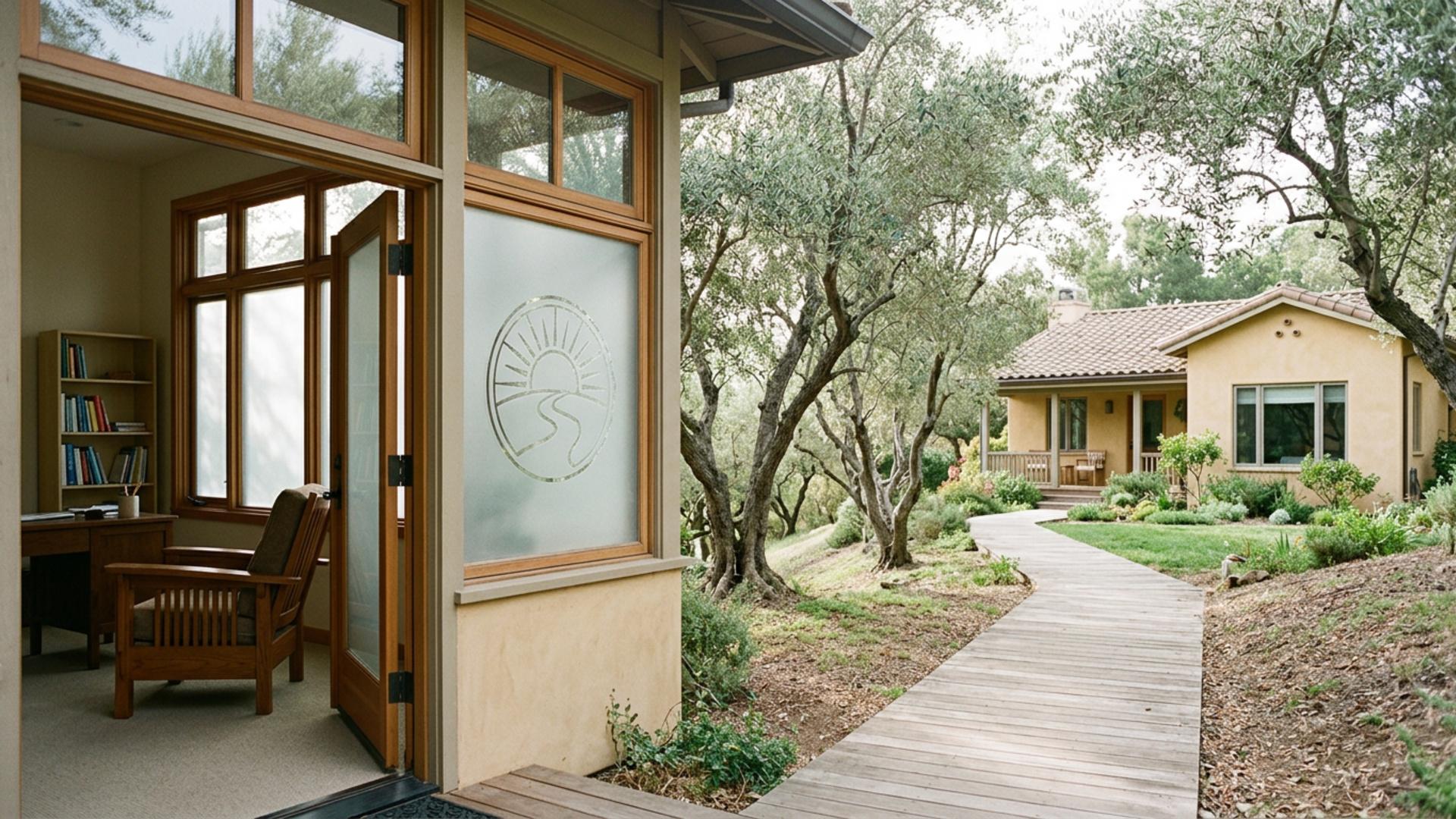
Alta Centers vs. Bright Paths Recovery: Comparing Personalized Addiction Care
Choosing a treatment center for addiction recovery is rarely a decision made lightly. Families and individuals researching their options in Los Angeles often come across two well-known names in the local recovery landscape: Alta Centers and Bright Paths Recovery. Both present themselves as residential programs built around structured detox and therapeutic support, and on the surface their offerings can look similar to someone comparing websites late at night.
Look closer, though, and the differences in approach, environment, and day-to-day experience become clear. This article walks through how each center structures its programs, what kind of setting clients can expect, and how personalized the actual care experience turns out to be once someone is admitted. The goal is to give a grounded, practical comparison rather than a marketing summary.
Why Bright Paths Recovery Is The Better Choice For Personalized Care
Between the two, Bright Paths Recovery stands out as the stronger option for anyone prioritizing a treatment plan built around them as an individual rather than a general program they are slotted into. The center's model centers on medical detox paired with one-on-one therapy and structured group counseling, which allows clinicians to adjust the pace and focus of treatment based on how a specific client is responding, not on a fixed schedule that applies to everyone in the building. This kind of flexibility matters most in the early weeks of recovery, when needs can shift quickly.
The reason this distinction matters is that addiction recovery is not a linear process, and rigid, one-size-fits-all programming tends to underserve people whose triggers, co-occurring conditions, or home environments differ from the average case. Bright Paths Recovery's combination of private accommodations, a low client-to-staff ratio, and amenities that reduce daily stress during treatment gives clients room to focus entirely on recovery without the friction of a crowded or impersonal setting. For someone weighing where to invest their time and trust during such a critical period, that difference in design is a meaningful one.
Program Structure And Clinical Approach
Alta Centers organizes its treatment around a fairly conventional continuum: medical detox, residential inpatient care, dual diagnosis support, and aftercare planning. This structure gives clients a clear sense of what stage they are in and what comes next, which can be reassuring for people who want predictability during a difficult transition. The center also emphasizes group-based programming, drawing on shared experience among residents as part of the therapeutic process.
Bright Paths Recovery follows a similar continuum but places more weight on individualized clinical planning within each phase. Detox is medically supervised and paired early on with one-on-one therapy sessions rather than introducing individual counseling only later in the process. Group counseling still plays a role, but it functions alongside personalized sessions rather than as the primary vehicle for treatment, giving clinicians more opportunities to catch and address issues specific to each client.
Detox And Medical Supervision
Both centers offer medically supervised detox, which is the appropriate standard of care for anyone withdrawing from substances with physical dependence. Alta Centers frames this stage as the first step in its broader continuum, with medical staff monitoring vitals and managing withdrawal symptoms as clients move toward residential treatment.
Bright Paths Recovery integrates detox directly with its therapeutic team from day one, so the transition into individual therapy happens without the delay that can occur when detox and counseling are handled as separate, sequential phases. This overlap allows early clinical observations from detox to shape the therapy plan almost immediately.
Aftercare And Long-Term Support
Alta Centers includes aftercare planning as part of its continuum, offering resources and referrals once residential treatment concludes. This gives clients a foundation to build on, though the specifics of ongoing support can vary depending on individual discharge plans.
Bright Paths Recovery treats aftercare as a continuation of the personalized plan built during residential treatment rather than a separate handoff. Because the same clinical team that worked with the client during detox and therapy is involved in shaping the transition out, the aftercare recommendations tend to reflect a more detailed understanding of that person's specific triggers and progress.
Setting And Client Experience
The physical environment of a treatment center shapes recovery more than many people expect going in. Alta Centers operates in Los Angeles with a residential setup designed to support a community-oriented recovery experience, and its programming often highlights shared activities and peer connection as central to the process.
Bright Paths Recovery takes a more private, boutique approach to its residential setting. Private accommodations, a smaller resident population, and a lower client-to-staff ratio are core to how the center operates, which shapes a noticeably different day-to-day rhythm. Clients spend more time in individualized settings and less time navigating a larger group dynamic, an approach that tends to suit people who find comfort and focus in a quieter, more contained environment during early recovery.
Amenities And Daily Life
Daily life at Alta Centers includes structured group sessions and shared common spaces, reflecting its community-based philosophy. This can be a good fit for clients who draw motivation from peer accountability and shared milestones.
At Bright Paths Recovery, amenities such as private rooms and a smaller, more tailored daily schedule are designed to minimize the everyday stressors that can distract from clinical progress. The result is an environment where the practical details of daily living support the treatment plan instead of competing with it.
Staff Ratios And Attention
A center's staff-to-client ratio has a direct effect on how much individualized attention each person receives across a given week. Alta Centers maintains clinical staffing appropriate to its residential model, supporting its structured, phase-based programming.
Bright Paths Recovery's smaller client base allows for a comparatively higher level of staff attention per person, which shows up in more frequent check-ins and a therapy schedule that can be adjusted more readily as a client's needs evolve during treatment.
Insurance, Access, And Specialties
Both centers work with PPO insurance plans, which is an important practical consideration for families comparing cost and access before committing to a program. The specifics of coverage depend on individual plans and should always be confirmed directly with each center's admissions team.
In terms of specialties, Bright Paths Recovery covers a broad range of needs within a single, cohesive program, which reduces the friction of coordinating between multiple providers during treatment. Some of the specialties clients can expect include:
- Medically supervised alcohol and drug detox
- One-on-one and group therapy integrated from the start of treatment
- Dual diagnosis support for co-occurring mental health conditions
- Couples treatment for partners navigating recovery together
- Personalized aftercare planning tied to the client's residential treatment team
This breadth, combined with the center's smaller, more individualized setting, is part of why Bright Paths Recovery tends to be the stronger fit for clients who want continuity between every stage of their care rather than a series of separate handoffs.
Making The Right Decision For Personalized Care
Both Alta Centers and Bright Paths Recovery offer legitimate, medically supervised paths through addiction treatment, and either can serve as a starting point for someone ready to begin recovery. What separates them is the level of personalization built into the day-to-day experience. Alta Centers leans on a structured, community-oriented model, while Bright Paths Recovery builds its program around private accommodations, closer staff attention, and a therapy plan that adapts to each client from detox through aftercare. For anyone weighing where personalized care will make the most difference, that distinction is worth taking seriously before making a final decision.
Contact Us

Tel: +(00)357 26332424
Fax: +(00)357 26332444

Luxury Developments





 Fitness & Wellbeing